by Smitty
From Nobody Understands Debt, emphasis mine:
Deficit-worriers portray a future in which we’re impoverished by the need to pay back money we’ve been borrowing. They see America as being like a family that took out too large a mortgage, and will have a hard time making the monthly payments.
This is, however, a really bad analogy in at least two ways.
First, families have to pay back their debt. Governments don’t — all they need to do is ensure that debt grows more slowly than their tax base. The debt from World War II was never repaid; it just became increasingly irrelevant as the U.S. economy grew, and with it the income subject to taxation.
Second — and this is the point almost nobody seems to get — an over-borrowed family owes money to someone else; U.S. debt is, to a large extent, money we owe to ourselves.
I grasp that Krugman is correct in the sense that he depicts accurately a mentality present in the bulk of our policy makers. I also gather that returning to a fundamentally valid fiscal approach is going to hurt, hurt, hurt. What Krugman and the rest of his ilk have absolutely never done is shown why citizens should quietly accept what amounts to an acceptance of theft. What is the moral basis for your argument, which appears to be pure pain avoidance?
I’m not saying our system is unethical, for it has been accepted for decades. My question in the title could be restated:
“How can those members of society who still cling to a notion of ‘right and wrong’ that is stronger than ‘Did Congress spew some legislation?’ be reconciled to your notion of debt?”.
If we agree that “debt” does not mean what, say, George Washington would have thought it means, then please publish the re-definition of the term. You, and our policy makers overall, are abusing the term “debt” in a manner similar to the way some would like to abuse the term “marriage”, which gets at your second point.
When the demographics start to go bad, as with Japan, the argument that we “owe it to ourselves” becomes as foolhardy as tampering with the word “debt”. While not totally out of the childbearing range, I’ll be blessed to hit the replacement rate, personally. Stacy is picking up the slack, but who will help his kids carry the “debt” load, Paul? Your cat? Debt is debt, marriage is marriage, and the Progressive attempts to freebase these symbols are ++ungood.
Americans are going to sober up about debt, Paul. The “or not” alternative is untenable. Also, your ideas.
via Memorandum
Related: neither #OccupyResoluteDesk nor the GOP look particularly great in this graph: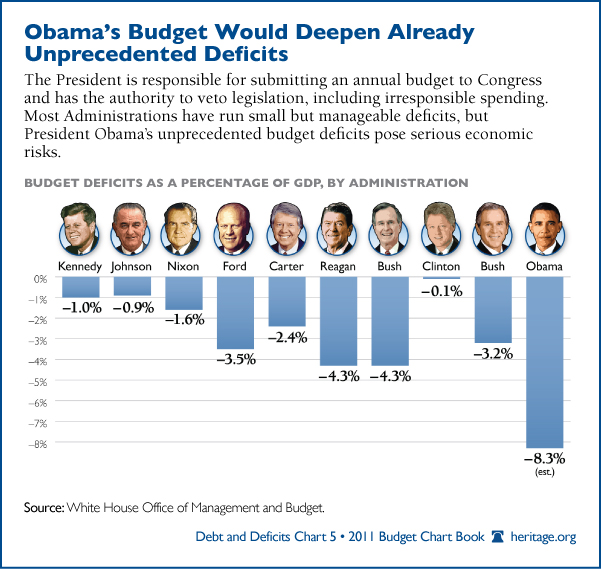
Update: Marginal Revolution, “Krugman v. Krugman”
Now to be fair, Krugman covered himself in 2003 in a credible way he said “unless we slide into Japanese-style deflation, there are much higher interest rates in our future.” Thus, I do not fault Krugman’s forecasting ability. What I do fault is that despite a 180 degree about-face, one thing remains constant in all of Krugman’s writings, anyone who disagrees with him is portrayed as a mendacious idiot. In truth, Heritage today and Krugman 2003 both have legitimate concerns about the long-term debt situation of the United States and it would have been to the credit of Krugman 2012 had he acknowledged that point more fairly.


