LIVE AT FIVE: 01.15.15
Posted on | January 15, 2015 | 17 Comments
— compiled by Wombat-socho
TOP NEWS
Rebels Launch Ukraine Offensive After Bus Shelling

Man walks by the wreck of a bus hit by rocket fire at a checkpoint near Volnovakha
Massive rocket fire from rebel positions continues
Ukraine seeks “terrorist organization” status for rebel groups
NATO urges Russia to stop supporting rebels
US offers $2 billion in financial support to Ukraine
Pope Leaves Sri Lanka After Preaching Reconciliation
Also becomes only the second Pope to visit Buddhist temple
Ohio ISIS Sympathizer Arrested For Alleged Plot To Attack Capitol
FBI arrests jihadi wannabee who planned to detonate pipe bombs, shoot survivors
POLITICS
IRS Chief Warns Of Refund Delays, Worse Customer Service

Koskinen sets a low bar for taxpayer expectations
E-mail to IRS employees whines about budget cuts
Obama To Propose Paid Sick Leave For Employees
Four Secret Service Execs Reassigned After Security Mishaps
VA Governor McAuliffe Urges Support For Economic Development
RNC Panel Censures Michigan Committeeman For Gay, Muslim Remarks
CIA Panel Clears Employees Involved In Senate Computer Search
THE ECONOMY, STUPID
Crude Rebounds On Weak Dollar, Drops In Asia On US Inventory Spike : WTI $48.14, Brent $48.13
Bank Of America, Citigroup Could Face Breakup Questions
Unscheduled India Rate Cut Sends Stocks Soaring
US Foreclosures Fall To Lowest Since 2006
Asian Stocks Rise, Led By India
Radio Shack Prepares To File For Bankruptcy
Google Translate Now Does Realtime Voice And Sign Translations On Mobile
Adobe Lightroom Mobile Arrives On Android
“Facebook At Work” Launches So You Can Never Not Be On Facebook
Tentative Agreement Reached In Silicon Valley Hiring Collusion Case
New Nintendo 3DS XL Confirmed For February 13 Release
SPORTS
Bulls’ Rose Scores 32, Wizards Win Anyway

Rose is tough but Pierce comes through
Washington rallies for 105-99 win against Chicago
Ducks’ Mariota To Enter NFL Draft
Yankees Avoid Arbitration With Nova: One Year, $3.3 Million
Hawks’ B-Squad Beats Celtics, 105-91
A’s Swap Shortstop Escobar For Nats’ Tyler Clippard
FAMOUS FOR BEING FAMOUS
Naya Rivera Attempts To Remove Foot From Mouth After Racist Showering Comment

“It was supposed to be a joke”
“Glee” star and temporary “The View” host catches a ton of flak for “Showering…every day is such a white people thing” remark
Paddington Makes His Red Carpet Debut
Gwyneth Paltrow: Brad Pitt Was Too Good For Me
Ellen DeGeneres Fires Back At “Gay Agenda” Column
Kevin Spacey’s Golden Globes Tribute Raises Eyebrows
Rosie Perez Leaving “The View”?
Chris Kyle’s Widow Struggled With Having Her Husband Portrayed On Film
Taylor Lautner & Girlfriend Break Up
Keith Richards Calls Justin Bieber “A Wannabee”
Hail Caesar! Mariah Carey Signs On For Huge Vegas Payday
Gigi Hadid Is The New Face Of Maybelline
FOREIGNERS
AQAP Claims Credit For Paris Attacks, Says More To Come
Forgetting About The Victims In Nigeria
Divers Search For Bodies In Wreck Of AirAsia Jet
Obama, Cameron Vow United Front Against Islamic Extremists
US Court Dismisses Riot Lawsuit Against Indian PM Modi
Japan Approves Largest-Ever Defense Budget As Hiroshima’s Mayor Calls For Peace
Pope Francis Praises Departing Italian President Napolitano
Jewish Leaders Skeptical Of European Leaders’ Tough Talk On Anti-Semitism
English Hospital Investigating Suspected Ebola Case
BLOGS & STUFF
Louder With Crowder: Second Amendment, Liberal Edition!
Michelle Malkin: Hey, How’s America’s Rail Security Doing?
Twitchy: Devastating TPM “Scoop” Spawns #TedCruzCrimes Hashtag Game
American Power: After Paris Attacks, Obama To Enlist “Social Service Providers” To Fight Terrorism
Conservatives4Palin: Muslims Establishing No-Go Zones In America
Don Surber: Top Five Liberal Lies Disguised As Math. EVIL.
Jammie Wearing Fools: Boston Globe – “Would Anyone Have Noticed If Bartender Succeeded In Poisoning John Boehner?”
Joe For America: Obama’s Mideast Wildfires Engulf The West
Pamela Geller: Muslim Teen From Portland Accused Of Threatening To Blow Up Store “In The Name Of Allah”
Protein Wisdom: Is Desiring A Reduction In Legal Immigration “Anti-Immigration”?
Shot In The Dark: The Good News…and The Bad News
The Gateway Pundit: Obama DOJ Caught Targeting Legal Gun Dealers
The Jawa Report: Total Boatload Of Irony
The Lonely Conservative: Obama Targets Oil & Gas Industry
This Ain’t Hell: James Cooper Thomas – Another Phony Vietnam Veteran/Author
Weasel Zippers: Ratings For Lena Dunham’s “Girls” Continue To Tank
Megan McArdle: Spending More Money Won’t Fix Our Schools
Mark Steyn: Where’s The Lead In The Pencil?
Shop Amazon Home – New Year, New You – Take Control of Your Closet

‘Jettison Society’s Toxic Values and Embrace the Beautiful You’
Posted on | January 14, 2015 | 38 Comments
See, that’s the way to fix your problem: Realize that there is nothing wrong with you. You are perfect, a Special Snowflake, a Rainbow Unicorn who is nothing but pure 100% perfection. Whatever you think might be wrong with you is perfectly OK. The only problem is that society — that is to say, everybody else in the world, whose “toxic values” blind them to the Rainbow Unicorn Special Snowflake beautiful perfection of you — is entirely wrong:
If you listen to most mainstream media, the new year is all about finding the new you. But what’s wrong with the old you?
We want to break away from the soul-crushing onslaught of negative New Year’s resolutions – eat less, lose weight, spend every waking moment at the gym – and promote feeling good about the skin you’re in.
While weight loss and fitness conglomerates would have you believe “healthy” looks like a size 6 or bulging biceps, good health doesn’t discriminate based on size or body shape. Wellness is about respecting and caring for the body you’re born with, not forcing it into an unrealistic cookie-cutter mould.
On many fronts, 2014 was a great year for the body-positive movement and diversity in general.
The rise of androgynous and genderless fashion represents society’s increasing acceptance of the LGBTQ community, as well as body types that don’t read as traditionally “masculine” or “feminine.”
See? It’s society’s problem for rejecting your unique beauty. The “mainstream media” trying to force you into an “unrealistic cookie-cutter mould,” even to the point of trying to make you have a “body type” that is traditionally “masculine” or “feminine”? Haters!
Toronto Now: "Body Issue: Your Body Isn't Wrong. Society Is." https://t.co/UhBjsODH3c h/t @LauraRosenCohen #tcot pic.twitter.com/2GoCOuFmCW
— Robert Stacy McCain (@rsmccain) January 15, 2015
Stay strong, Special Snowflake — you’re beautiful just the way you are!
Feminist Rhetorical Method
Posted on | January 14, 2015 | 48 Comments
Today, I spent several hours offline working on the “Sex Trouble” project and, when intermittently checking Twitter, encountered the sort of feminist who thinks that being a feminist makes her automatically smarter than anyone who disagrees with feminism. This self-congratulatory pose of feminist superiority gets annoying, especially considering I’ve spent all day plowing through the notes of Judith Butler’s Gender Trouble, cross-referencing her sources, etc.
Here I am, up to my neck in feminist theory, books by Women’s Studies professors piled high on my desk, and somebody with zero credentials — other than 521 followers on a Twitter account with “progressive thinker” in her profile — decides that I’m in need of a lecture. Some people might say I “lost it,” but I’d rather think of myself as having been pushed across the threshold into the No More Bullshit Zone.
@ali @rsmccain Precisely because of ignorant and sexist comments like that, we need feminism.
— Compa Sandra Muñoz (@sandramunoz999) January 14, 2015
You, @sandramunoz999 just invoked Lewis's Law of Feminism @ali #tcot pic.twitter.com/4SmZATpuqi
— Robert Stacy McCain (@rsmccain) January 14, 2015
To which I respond with McCain's Law of Feminism @sandramunoz999 @ali #tcot pic.twitter.com/qRI4EyCrkH
— Robert Stacy McCain (@rsmccain) January 14, 2015
Where the FUCK were all these "feminists" when Juanita Broaddrick said Bill Clinton raped her? @sandramunoz999 @b0yp0wer @ali
— Robert Stacy McCain (@rsmccain) January 14, 2015
We are all sick and tired of being lectured by feminists whose only qualification to lecture us is … well, they're feminists. #tcot
— Robert Stacy McCain (@rsmccain) January 14, 2015
Well, she's a feminist, which makes her the moral and intellectual superior of anyone who criticizes feminism. Q.E. FUCKING D.
— Robert Stacy McCain (@rsmccain) January 14, 2015
All that is required of anyone, in 2015, is to call themselves a FEMINIST, and they're entitled to lecture the rest of us about everything.
— Robert Stacy McCain (@rsmccain) January 14, 2015
FEMINIST is a magic word — "Abracadabra!" — by which any random idiot can transform themselves into an exemplar of wisdom and virtue.
— Robert Stacy McCain (@rsmccain) January 14, 2015
Feminists graduate college believing their "truth" is incontrovertible, because no one within academia is permitted to criticize feminism.
— Robert Stacy McCain (@rsmccain) January 14, 2015
When the feminist exits academia and enters the real world, she is horrified to discover some people don't agree with feminism — "HATERS!"
— Robert Stacy McCain (@rsmccain) January 14, 2015
Anyway, that’s what happens when I get pushed across the threshold by idiots who mistakenly think they know more about feminism than I do. Feminists seem to believe they have a license authorizing them to peddle their bullshit everywhere, and they believe the rest of us are under some kind of contractual obligation to shut up and listen to their bullshit, because that’s how it was for them in college, see? Even if anyone on the faculty of any university anywhere dared speak a mild word of doubt about feminist ideology, no student will do so, because they would become the target of a feminist hate-mob.
@AceofSpadesHQ @EdDriscoll @AmPowerBlog Hey, who's ready to join a movement where the first rule is, "SHUT UP"? http://t.co/MUKPLCWyi1
— Robert Stacy McCain (@rsmccain) January 13, 2015
Welcome to the real world. There may be people willing to listen politely to your totalitarian speeches, but I’m not one of them.
LIVE AT FIVESEVEN: 01.14.15
Posted on | January 14, 2015 | 10 Comments
— compiled by Wombat-socho
TOP NEWS
“Survivors’ Issue” Of Charlie Hebdo Sells Out In Minutes Amid Backlash from Muslim Leaders

The cover deemed not fit to print by the NYT
Pope Francis, Chancellor Merkel also mocked in this week’s issue
First print run of 3 million already sold out in France
Turkish daily prints Charlie Hebdo articles and cartoons
As Charlie Hebdo sells out, antisemitic comedian Dieudonne detained
Muslim leaders appeal for calm as Charlie Hebdo special hits the streets
Pope Francis Greeted By 40 Elephants, 21-Gun Salute In Sri Lanka
Working lunch with bishops postponed after two-hour procession in the midday sun
Twelve Dead In Bus Attack That Could Doom Ukraine’s Shaky Truce
Donetsk bus destroyed by Grad multiple rocket launcher fired from rebel territory
POLITICS
Romney Phones Party Allies; Advisor Says 2016 Bid Very Likely

Oh No Mitt Romney, No!
Third time the charm for former Massachusetts governor?
Virginia Democrat Wins Re-Election Despite Teen Sex Scandal
House Moves Toward Vote On Defunding Executive Amnesty; Obama Threatens Veto
Ohio Bartender Charged With Threatening To Murder John Boehner
GOP Senators Push Bill To Limit Gitmo Transfers
THE ECONOMY, STUPID
Asian Crude Slide Continues As Growing Glut Triggers Floating Storage: WTI $45.60, Brent $46.19
US Predicts Shale Slowdown As Oil Prices Drop
Soda Companies Charging More For Smaller Sizes
Chipotle Pulls Pork
Shares Fall As Commodity prices Drop, Spooking Investors
World Bank Cuts Global Economic Outlook
GoPro Shares Plunge After Apple Files Remote Camera Patent
Samsung Launches Tizen-Powered Z1 Smartphone In India
Google Stops Patching Core Android Component In 60% Of Devices
Facebook Adds New Amber Alert Feature
Firefox Hello Eases Video Chat By Emphasizing Permalinks Over Logins
SPORTS
Wall, Seraphin Spark Wizards To First Win Against Spurs In 18 Games

Brad Beal and John Wall hassle Tim Duncan in last night’s game
Domestic Violence Charges Against Hope Solo Dropped
Perreault Scores 4 As Jets Crush Panthers 8-2
Miami Stuns #4 Duke, Snaps Blue Devils’ 41-Game Home Win Streak
Wade Limps Off, Heat Beat Lakers Anyway
LeBron James Back, Cavs Lose Anyway
MASN Challenges MLB’s Secret $25 Million Deal With The Nationals
FAMOUS FOR BEING FAMOUS
Zooey Deschanel Is Expecting
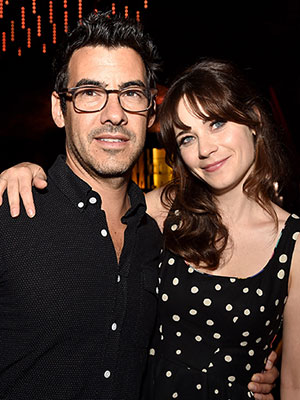
Zooey with baby daddy Jacob Pechenik
First child for 34-year-old actress
Lauer, Curry Still Bitter Over 2012 “Today” Firing
Brad Pitt, Christian Bale, Ryan Gosling To Star In Financial Thriller “The Big Short”
Diary Of Prince Andrew’s “Sex Slave” Revealed
Kelly Clarkson Hospitalized During “Horrible” Pregnancy
Tracy Anderson Disses Pot-Smoking Yogis
Kathy Griffin Punches Up, Slams Amal Alamuddin’s Gloves
Judy Gold: Cosby Has The Right To Perform; You Don’t Have To Watch
Snap Into This Macho Man Randy Savage Video Tribute, Brother!
Jamie Lynn Spears Pulls Out Huge Knife To Break Up Fight
Naya Rivera: Showering Every Day “A White People Thing”
Nicki Minaj’s Ex-BF: She Treated Me Like An Employee Instead Of Her Man
FOREIGNERS
Ruble Falls For Fourth Day On Oil Glut; Russia Concedes Junk Rating Likely
India To Become World’s Fastest-Growing Economy In Modi’s Fourth Year
Fuselage of Crashed AirAsia Plane Located
Daesh Video Shows Child Executing Alleged Russian Agents
Italian President Napolitano Resigns
Germans Urge Tolerance In Face Of PEGIDA Rallies
South Africa Warned Against Fighting Boko Haram In Nigeria
China Arrests Ten For Aiding Terrorist Uighurs
Survey Shows Antisemitic Views Common Among Britons
Japan Cabinet Approves Record Military Budget With Eye On Chicoms
Syria’s Bashar Assad Expresses Sympathy For Paris Terror Victims
BLOGS & STUFF
Proof Positive: Separation Of Church And State? Never Mind!
Doug Powers: WH Aides Fall On Swords For Obama After Paris Embarrassment
Twitchy: Bill DiBlasio Doesn’t Want Illegal Aliens To Feel Like “Second Class Citizens”
American Power: White-Out – Where Democrats Lost The House
American Thinker: China Prepares For War
Blackmailers Don’t Shoot: The Hollywood Sign Is A Thing?
Conservatives4Palin: “Drill, Baby, Drill” – Sarah Palin Proven Right As Oil Prices Plummet
Don Surber: You Elected An Empty Suit Addicted To Sports. EVIL.
Jammie Wearing Fools: Muslim Mayor Of Rotterdam Tells Dutch Muslims “F*ck Off” If They Can’t Live Like Normal Human Beings
Joe For America: Obama’s Domestic Terrorist Foot Soldiers
JustOneMinute: Transcending Even The Hip Flask
Pamela Geller: White House Will Fight Media To Stop Anti-Jihad Articles
Protein Wisdom: D.R. Horton Homes And The Business of Ethics
Shot In The Dark: Life’s Rough. Wear A Helmet.
STUMP: 80 Percent Funding Hall Of Shame – I Write Letters
The Gateway Pundit: Soldier Found Dead In Texas Of Ebola After Fighting Disease In Africa
The Jawa Report: French Muslims Say Jews Used FM To Make Muslims Look Bad
The Lonely Conservative: Only 15% Of Active Duty Military Approve Of Obama’s Performance As CinC
This Ain’t Hell: Execution Of Kyle Dinkheller’s Murderer Is Go
Weasel Zippers: Pelosi Responds To Paris Terror Attacks By Appointing Muslim Congressman With Terror Connections To Intel Committee
Megan McArdle: Keep Calm And Put Down The Sriracha
Mark Steyn: As Steyn Goes, So Goes Mann
Shop Amazon – Home & Kitchen – New Year, New You
Two Victims, No Crime
Posted on | January 13, 2015 | 38 Comments
Corey Mock is not a rapist, but he is also no longer a wrestler at the University of Tennessee-Chattanooga, because he was accused of rape by a fellow UTC student named Molly Morris.
Morris’s version of the story is told at Vice Sports and includes the claim that someone at a party spiked her drink. Why? Because she vomited and had trouble remembering events later. However, according to Corey Mock’s father, a toxicology test showed no evidence that she had been drugged. What is acknowledged by all is that Mock had sex with Morris after she vomited. This was a bad idea.
There were a lot of bad ideas that night. It was the wee hours of the morning. Morris didn’t arrive at the party until 2 a.m., and she had two drinks before she got sick. It must have been near dawn — 4 a.m.? 5 a.m.? — before the sexual activity occurred. Corey Mock’s father says:
My son asked Molly Morris if she wanted to go into the bedroom; she said “yes”. They both lay in the bed and began kissing. He removed her pants and performed oral sex. At some point, he stopped to remove his clothes and she removed her bra. He climbed on top of her and after having some trouble entering her, she reached down and guided him inside her. At NO TIME during this encounter did Ms. Morris communicate in any way that she did not wish to engage in sexual activity, verbal or otherwise. She does not dispute that any of these details happened, she merely says she does “not remember.”
Here’s your classic “he-said/she-said” scenario and I don’t want to pass judgment, but to college boys let me say this:
DON’T HAVE SEX WITH GIRLS AFTER THEY VOMIT.
Vomit is not sexy, OK? More importantly, a girl who gets drunk to the point of vomiting is not likely to have pleasant memories of your subsequent sexual encounter. She may have no memory at all, but a night that includes both (a) vomit and (b) sex will probably not be a pleasant memory, and this seems to be a big problem.
College kids do stupid things routinely. It is clear from the story that Corey Mock genuinely liked Molly Morris. He had asked her out several times before she finally agreed to have breakfast together, and then the party two nights later. Here is the aftermath:
The morning after the party, Morris says she woke up “in the bed, naked, with a sheet. He was in the bed, too.” She got up, gathered her clothes, and left. When she got back to her apartment, she fell asleep. But she woke up not too long after that to take a shower, because she could smell the vomit on her body.
Morris felt ill all day. “It was not hangover illness, it was something completely different,” she says. “My stomach was super nauseous, in knots. My whole body felt like it was in a fog. Like, my head was just in a really weird funk. It’s so hard to describe.” She also had physical injuries including a hickey on her neck and vaginal bleeding. “My entire body was just sore and in a funk.” That night, her roommate convinced her to go to the pharmacy and get Plan B, the morning-after pill.
Corey Mock is not a rapist, but clearly he made a bad decision.
DON’T HAVE SEX WITH GIRLS AFTER THEY VOMIT.
I’ve got four sons and two daughters. Everybody knows how hard I’ve fought against this feminist “rape epidemic” hysteria, but an ethos of personal responsibility goes both ways. I am not going to step aside while feminists use Title IX to obliterate the constitutional rights of young men every time a woman has post-hookup regrets, but young men should not be surprised when their irresponsible behavior has bad consequences.
Wake up, everybody: Bad things happen to drunk people.
It was stupid of Molly Morris to go to that party alone.
Excuse me if this sounds like “blaming the victim,” but let’s get real: If you show up at a party at 2 o’clock in the morning, after everybody’s already been drinking for hours, that’s not really a safe situation. To show up at 2 a.m. alone? Are you crazy?
Two words, ladies: Buddy system.
Never go to a bar or a party alone.
Better yet: Don’t go to bars or parties, period.
Especially not at 2 a.m.
As for you guys, the formula is simple: Vomit = No Sex.
Not difficult to remember that, is it? But if you need a more extensive lesson, here is Corey Mock’s father’s advice:
SEXUAL ASSAULT ON COLLEGE CAMPUSES:
A WRESTLING FATHER’S PERSPECTIVE
My son, Corey Mock was accused of sexual assault by a young lady named Molly Morris while at the University of Tennessee Chattanooga in the Spring of 2014. I am not writing this to defend my son; the truth is, no one really cares — that’s life. I am writing this because I don’t want to ever read about this happening to another wrestler again.
Undoubtedly, many of you have read one or more of the articles currently “out there” on my son’s case; almost all of these have been written by feminists pushing their agenda. I am not going to address this except to the extent I believe it will help others, so here is the very simple truth, and I apologize in advance for providing explicit details but unfortunately they are critical to this story.
My son asked Molly Morris if she wanted to go into the bedroom; she said “yes”. They both lay in the bed and began kissing. He removed her pants and performed oral sex. At some point, he stopped to remove his clothes and she removed her bra. He climbed on top of her and after having some trouble entering her, she reached down and guided him inside her. At NO TIME during this encounter did Ms. Morris communicate in any way that she did not wish to engage in sexual activity, verbal or otherwise. She does not dispute that any of these details happened, she merely says she does “not remember”. (A toxicology exam a day later was negative confirming there was no drug in her system.). Two days later, after a series of very pleasant text message exchanges between the two of them which are in evidence, she suddenly informs him that she “never gave consent to sex”. If you do not believe her actions denote “consent”, you should probably stop reading now. My son has NEVER been accused by a law enforcement agency; unfortunately for us, she never went to the police.
At the initial hearing conducted by the school, my son was found innocent of all charges. One week later, with absolutely NO additional evidence or explanation, the judge simply reversed her decision.
I AM NOT WRITING THIS TO ENTERTAIN YOU; I AM WRITING THIS TO WARN YOU!
There has been a fundamental change on college campuses all over this country. In this current culture of “hookups” in lieu of dating, with women every bit as sexually aggressive as men on campuses, parents, wrestling coaches, and wrestlers heading to college need to understand the extent of this new danger. I am not just the father of a wrestler, I am a Division 1 wrestling coach as well and I am very familiar with the college culture.
If a woman accuses you of sexual assault at UTC, you will immediately be removed from the wrestling team prior to any investigation or determination of guilt. YOU HAVE NO CONSTITUTIONAL RIGHTS IN COLLEGE. The colleges have taken the position that you relinquish your rights when you sign the application and the courts have upheld this. This is not just at UTC, this is everywhere. The University or College will do everything in its power to prosecute you and kick you out of school regardless of the evidence and there is absolutely nothing you can do about it, and they know it. You can sue the school and the alleged victim as we are doing, but the minimum cost to sue is $50,000 and the NCAA isn’t going to give you your year back if you win.
This sounds nuts right? This can’t be true! Thanks to our liberal politicians who cater to the very well funded and well organized feminist groups, the Dept. of Education through Title IX (sound familiar) has put every college in the country on notice that if they find a college has not been “responsive” to sexual assault accusations they could lose their federal funding. Colleges are scared to death and their reaction is to crucify young men who are accused. Why are we not hearing more about this? Because most people can’t afford (or choose not to afford) to sue the schools and therefore, the schools are not being held accountable. The Duke Lacrosse case and currently the UVA fiasco are two exceptions that are in the media.
Morally and ethically I want to say, don’t have sex until you get married. We all know that would be naive. Ignoring this problem because it’s edgy would be irresponsible. Having said that, my strong and now experienced advice to you is if you choose to have sexual relations with a girl, get her on video on your phone consenting verbally. Make sure it is clear on the film that she is of sound mind. There is little else that will help you if she suddenly decides she made a mistake and accuses you of assault.
Relaying the specific explicit details of this event bring myself, my son, and our family no pleasure. This has been a very difficult and heart breaking experience. Corey will lose the opportunity to compete his last year and he emphatically denies doing anything wrong; we intend to prove that in a court of law. But, we agreed not to be silent; and to do everything we can to help prevent this from happening to others.
Harry Reid’s Constituents
Posted on | January 13, 2015 | 12 Comments
A Las Vegas mother, her ex-husband and his new wife all faced court [Dec. 16] after being charged with what police described as ‘one of the most horrific sex rings in memory’ involving their own children.
Mother-of-four Terrie L. Sena, 43, who was arrested . . . and charged with multiple counts of disturbing sexual abuse in Clark County, has been a licensed kindergarten through 12th grade substitute teacher since May 2013, according to The Las Vegas Review Journal.
Along with her ex-husband Christopher Sena, 47, and his current wife Deborah Sena, 50, the trio are accused of engaging in sex acts with at least eight minors and filming some of the encounters as part of a child porn operation.The eight children identified as being abused were immediate and extended family members, police said.
Despite the strange relationship dynamic, all three live together in the same trailer home. . . .
Investigators believe there are more victims and say the sex crimes have been going on for at least 12 years.
Some of the victims are now adults, police said.
Terrie and Christopher Sena had three sons and a daughter together before splitting in 1997.
However Terrie continued to live with her ex and their children, even when he took a new wife.
Police found out about the alleged sex ring in September after the new wife Deborah Sena, another adult and a child told a family law attorney about the abuse. . . .
A subsequent investigation led to the arrest of Christopher Sena, who is facing 23 charges, including incest, bestiality and felony child abuse. . . .
One of the seized recordings allegedly shows two Sena children having sex with the family dog, The Daily Beast reported.
A review of other recordings allegedly implicated Terrie and Deborah Sena.
The pair were arrested on December 11 and together face 27 charges, including child abuse and neglect, sexual assault of a minor and incest. . . .
The court heard that Christopher Sana threatened to break the legs of one of his alleged victims if the child told anyone of the abuse, according to KLAS-TV.
So just in case you had ever wondered what kind of people would elect Harry Reid as their senator, now you know.
Quick Hits
Posted on | January 13, 2015 | 5 Comments
–by Wombat-socho
Noticed this in passing: the extremely weird fantasy novel by Mary Gentle, Grunts
A related freebie: Saruman of Many Devices, in which Saruman the White looks into the palantir of Isengard and finds Center (from Drake & Stirling’s Raj Whitehall novels) looking back. Amusing crossing of the streams.
UVA Fraternity Cleared by Police, But Fraternities Are Punished Anyway
Posted on | January 13, 2015 | 26 Comments
Jackie’s story was fake, but as Allahpundit says, “someone needs to intervene to stop the sort of gang rape that never actually happened to Jackie,” so despite the dishonesty and journalistic malpractice, there are new rules for fraternities at the University of Virginia:
The University chapter of Phi Kappa Psi was officially reinstated by both the University and the national Phi Kappa Psi fraternity organization, the University announced in a press release Monday morning.
“The reinstatement resulted after consultation with Charlottesville Police Department officials, who told the University that their investigation has not revealed any substantive basis to confirm that the allegations raised in the Rolling Stone article occurred at Phi Kappa Psi,” the release stated.
Charlottesville Police Captain Gary Pleasants said the investigation into the incident is still ongoing, but that no evidence indicates Phi Kappa Psi should continue to be under sanction.
“We are looking at the allegations in their totality,” he said, adding that investigators have not yet made a determination about the accuracy of the incident as a whole.
He said police hope to conclude their investigation in a couple of weeks, and they will not disclose more specifics about their investigation until that time.
To read between the lines, it appears that while police are still trying to figure out what (if anything) happened to Jackie, it has been determined that Phi Kappa Psi had nothing to do with it. Meanwhile:
Last Tuesday, [UVA President Teresa] Sullivan authorized new addenda to the University’s Fraternal Organization Agreement that were submitted by the four student-led Greek leadership councils. The new addenda outline specific practices that each fraternity and sorority will put in place to enhance the safety of their members and guests. Sullivan also announced the immediate reinstatement of all social activities, with the stipulation that the FOA addenda must be signed by the president or designee from each fraternity and sorority by Jan. 16. Phi Kappa Psi became the first fraternity to sign the Inter-Fraternity Council’s FOA addendum on Jan. 8.
This is sort of like the way gun-control advocates use any mass-shooting incident to urge passage of new laws which would have done nothing to prevent the highly publicized atrocity. They’re always trying to “close the gun show loophole” by exploiting hysteria over shootings committed with guns that weren’t bought at gun shows. And never mind the violent crimes in cities like New York and Chicago that have ultra-strict local gun-control laws. Facts and logic are irrelevant to the progressive agenda, and Allahpundit points to a quote in an article last month revealing the Rolling Stone reporter Sabrina Rubin Erdely had her own agenda at UVA:
Alex Pinkleton, a rape survivor and U-Va. student, said of Sabrina Rubin Erdely . . . “However, she did have an agenda and part of that agenda was showing how monstrous fraternities themselves as an institution are and blaming the administration for a lot of these sexual assaults.”
Fraternities were important to Erdely, as Pinkleton, a friend of Jackie’s, told [CNN’s Brian] Stelter: “I didn’t like that it seemed like she was looking for a story that had to be at a fraternity,” she said.
Erdely had to have a rape at UVA and it “had to be at a fraternity.” She could have added it had to be at a white fraternity, because Erdely’s choice of UVA was by no means accidental in that regard: Erdely “knew she wanted to write about sexual assaults at an elite university,” as she told the Washington Post. Obviously, she wanted a story with villains who fit the profile of the privileged white male patriarchal oppressors on whom feminists blame “rape culture.” Phi Kappa Psi was a target of opportunity and why Jackie and Erdely pinned their gang-rape tale on this specific fraternity is a mystery yet to be solved.
Meanwhile, it’s Double-Secret Probation for fraternities at UVA — “No more fun of any kind!” — and perhaps this is not entirely a bad thing. For months before the Rolling Stone story, I pointed out that if university administrators really wanted to stop “rape culture” on campus, all they had to do was to crack down on underage drinking.
Over and over, these “he said/she said” stories have the same narrative arc: An 18-year-old freshman girl, away from home for the first time, goes to a party, gets fall-down drunk and then has a sexual experience that is unfortunate and regrettable, but which cannot be proven as rape. The guy involved in the incident was usually also drunk and he insists that whatever happened between him and the girl, however unfortunate and regrettable, was consensual. Because incidents like that usually cannot be prosecuted as crimes, universities have taken to using disciplinary tribunals to hear such claims, and feminists have become angry that these extra-judicial processes are ineffective.
The legal drinking age is 21. Simply enforcing existing law — thus reducing the number of drunk teenage girls who are most commonly the complainants in these incidents — would be a logical response. However, media hype about a “rape epidemic” on campuses (a manufactured crisis based on phony statistics) was part of a political propaganda campaign whose feminist leaders do not give a damn about facts or logic.
Feminism’s message is clear: “Shut Up, Because Rape.”
UPDATE: Few have noted that Erdely’s feminist agenda required white rapists at an elite university. A story involving students being raped at a third-tier school or being raped by non-white males would do little or nothing to advance the gender/race/class narrative of Cultural Marxism. This idea — a high-profile sex crime perpetrated by upper-class white males — was what sent the New York Times chasing after the Duke lacrosse rape story in 2006. Because rich white guys are the Demonized Scapegoat within the Left’s paranoid worldview, only certain crimes get that kind of major-media push. Last month, a freshman girl at William Paterson University in New Jersey said she was sexually assaulted by five males, but because (a) it’s not an elite school and (b) the accused rapists are black, this isn’t the sort of gang-rape that feminists care about.
Some victims are more equal than others.
« go back — keep looking »
THE FULL METAL JACKET REACH-AROUND AWARD
HIT THE FREAKING TIP JAR!
Search
Recent Posts
- In The Mailbox: 10.16.26
- In The Mailbox: 10.15.26
- In The Mailbox: 10.14.26 (Evening Edition)
- In The Mailbox: 10.14.26 (Afternoon Edition)
- In The Mailbox: 10.12.26 (Annual Admiral of the Ocean Sea Appreciation Post)
- Rule 5 Sunday: No Fishy Just Sexy
- FMJRA 2.0: A Winning Homestand
- In The Mailbox: 10.09.26
- Rumors Swirl: Where Is James Talarico? UPDATE: Talarico Appears in Public
- In The Mailbox: 10.08.26
RSS reader subscription

MEMEORANDUM
Recent Comments
- on Rumors Swirl: Where Is James Talarico? UPDATE: Talarico Appears in Public
- on The Wrong Matthew Ingalls, the Correct ‘Jane Doe’ and the Cornell 7 Case
- on The Wrong Matthew Ingalls, the Correct ‘Jane Doe’ and the Cornell 7 Case
- on The Wrong Matthew Ingalls, the Correct ‘Jane Doe’ and the Cornell 7 Case
- on In The Mailbox: 10.02.26 (Evening Edition)
THE AMAZING GONZO FEED
Major Leagues
Archives
- October 2026 (20)
- September 2026 (38)
- August 2026 (43)
- July 2026 (39)
- June 2026 (40)
- May 2026 (43)
- April 2026 (59)
- March 2026 (44)
- February 2026 (37)
- January 2026 (45)
- December 2025 (42)
- November 2025 (44)
- October 2025 (44)
- September 2025 (47)
- August 2025 (48)
- July 2025 (48)
- June 2025 (47)
- May 2025 (48)
- April 2025 (42)
- March 2025 (48)
- February 2025 (49)
- January 2025 (48)
- December 2024 (42)
- November 2024 (44)
- October 2024 (47)
- September 2024 (43)
- August 2024 (55)
- July 2024 (63)
- June 2024 (59)
- May 2024 (48)
- April 2024 (43)
- March 2024 (55)
- February 2024 (46)
- January 2024 (45)
- December 2023 (53)
- November 2023 (62)
- October 2023 (57)
- September 2023 (56)
- August 2023 (53)
- July 2023 (69)
- June 2023 (67)
- May 2023 (53)
- April 2023 (60)
- March 2023 (73)
- February 2023 (65)
- January 2023 (56)
- December 2022 (60)
- November 2022 (64)
- October 2022 (58)
- September 2022 (68)
- August 2022 (75)
- July 2022 (69)
- June 2022 (73)
- May 2022 (74)
- April 2022 (57)
- March 2022 (79)
- February 2022 (65)
- January 2022 (58)
- December 2021 (62)
- November 2021 (68)
- October 2021 (73)
- September 2021 (63)
- August 2021 (60)
- July 2021 (80)
- June 2021 (64)
- May 2021 (64)
- April 2021 (58)
- March 2021 (73)
- February 2021 (57)
- January 2021 (71)
- December 2020 (77)
- November 2020 (81)
- October 2020 (84)
- September 2020 (94)
- August 2020 (75)
- July 2020 (68)
- June 2020 (83)
- May 2020 (77)
- April 2020 (65)
- March 2020 (85)
- February 2020 (94)
- January 2020 (95)
- December 2019 (88)
- November 2019 (60)
- October 2019 (113)
- September 2019 (91)
- August 2019 (91)
- July 2019 (88)
- June 2019 (80)
- May 2019 (74)
- April 2019 (97)
- March 2019 (100)
- February 2019 (85)
- January 2019 (93)
- December 2018 (90)
- November 2018 (83)
- October 2018 (96)
- September 2018 (79)
- August 2018 (107)
- July 2018 (98)
- June 2018 (86)
- May 2018 (78)
- April 2018 (78)
- March 2018 (97)
- February 2018 (61)
- January 2018 (70)
- December 2017 (62)
- November 2017 (68)
- October 2017 (67)
- September 2017 (70)
- August 2017 (68)
- July 2017 (52)
- June 2017 (60)
- May 2017 (56)
- April 2017 (80)
- March 2017 (80)
- February 2017 (102)
- January 2017 (104)
- December 2016 (65)
- November 2016 (86)
- October 2016 (77)
- September 2016 (81)
- August 2016 (66)
- July 2016 (83)
- June 2016 (81)
- May 2016 (65)
- April 2016 (64)
- March 2016 (81)
- February 2016 (74)
- January 2016 (66)
- December 2015 (64)
- November 2015 (85)
- October 2015 (71)
- September 2015 (80)
- August 2015 (67)
- July 2015 (79)
- June 2015 (69)
- May 2015 (72)
- April 2015 (94)
- March 2015 (122)
- February 2015 (71)
- January 2015 (93)
- December 2014 (99)
- November 2014 (67)
- October 2014 (109)
- September 2014 (87)
- August 2014 (106)
- July 2014 (132)
- June 2014 (154)
- May 2014 (126)
- April 2014 (145)
- March 2014 (144)
- February 2014 (142)
- January 2014 (185)
- December 2013 (192)
- November 2013 (173)
- October 2013 (175)
- September 2013 (181)
- August 2013 (167)
- July 2013 (147)
- June 2013 (135)
- May 2013 (128)
- April 2013 (105)
- March 2013 (162)
- February 2013 (191)
- January 2013 (206)
- December 2012 (190)
- November 2012 (176)
- October 2012 (240)
- September 2012 (206)
- August 2012 (235)
- July 2012 (223)
- June 2012 (161)
- May 2012 (230)
- April 2012 (269)
- March 2012 (282)
- February 2012 (247)
- January 2012 (267)
- December 2011 (285)
- November 2011 (300)
- October 2011 (302)
- September 2011 (297)
- August 2011 (288)
- July 2011 (297)
- June 2011 (245)
- May 2011 (260)
- April 2011 (344)
- March 2011 (293)
- February 2011 (201)
- January 2011 (263)
- December 2010 (265)
- November 2010 (266)
- October 2010 (305)
- September 2010 (280)
- August 2010 (272)
- July 2010 (230)
- June 2010 (244)
- May 2010 (256)
- April 2010 (222)
- March 2010 (271)
- February 2010 (286)
- January 2010 (229)
- December 2009 (21)
- October 2009 (1)
Free Agents
SHAMELESS CAPITALISM
Triple-A Franchises
- All-American Blogger
- American Power
- Anti-Idiotarian Rottweiler
- Athens & Jerusalem
- Barney Quick
- Bartholomew's Notes On Religion
- BatesLine
- Bear Creek Ledger
- Bearsears Patriots
- Blog de KingShamus
- Bride of Rove
- Cold Fury
- Daily Pundit
- Dr. Helen
- I Own The World
- Legal Insurrection
- Moe Lane
- No Runny Eggs
- Obi`s Sister
- Protein Wisdom
- Rhetorican
- Small Dead Animals
- The Conservatory
- The People's Cube
- The Sundries Shack
- VodkaPundit
- Vox Day
- Zilla of the Resistance
Blogroll
- 90 Miles From Tyranny
- A Conservative Shemale
- A Point of View
- Adrienne's Corner
- AmSpec Blog
- Bad Blue
- Blazing Cat Fur
- Calvin Freiburger Online
- Carol's Closet
- Catholic Bandita
- Caught Him With A Corndog
- Cecil Calvert
- Common Cents
- Conservative Hideout
- Conservative Watch News
- Conservatives for America
- Conservatives For Palin
- Crazy For Liberty
- Dad 29
- DC Damsel
- Dr. Flap
- Dyspepsia Generation
- Effing Conservatives
- Election Dissection
- Eric Reasons, IT Genius
- Eye of Polyphemus
- Finding Ponies. . .
- Free Will
- Grandpa John's
- Granite Grok
- GrEaT sAtAn"S gIrLfRiEnD
- Hoosier Access
- John William Perry
- Judicial Watch
- Jumping in Pools
- KURU Lounge
- Laughing Conservative
- Makes My Brain Itch
- Marathon Pundit
- Martin Eisenstadt's Blog
- Media Fade
- Michael Leahy
- Mister Pterodactyl
- Naked Villainy
- Nice Deb
- noot's observatory
- Not One Red Cent
- Okrahead
- Ollieander
- Pileus
- Pinup Girl
- Point of a Gun
- Political Pit Bull
- Reaganite Republican Resistance
- Red Alexandria
- Red State Eclectic
- Red, White & Conservative
- Republican Redefined
- ResCon1
- Ric's Rulez
- Ricochet
- Right of Course
- Robipedia
- Robomonkey
- Ruby Slippers Blog
- Saberpoint
- Scared Monkeys
- Sentry Journal
- SI VIS PACEM
- Skepticrats
- Smash Mouth Politics
- Sooper Mexican
- Taking Hayek Seriously
- Tel-Chai Nation
- Tequila & Javalinas
- The Aged P
- The Classic Liberal
- The Izzy Report
- The Minority Leader
- The NeoSexist
- The Nose on Your Face
- The Republican Mother
- The Right Sphere
- The Saint Angilbert Press
- The Snooper Report
- The Underground Conservative
- Thunder Tales
- Tom McLaughlin
- Tory Anarchist
- TrogloPundit
- Vets On The Watch
- Watcher of Weasels
- Western Experience
- World's Only Rational Man
- WyBlog
- Yankee Phil
- Zingstrom's Blog